Back to cities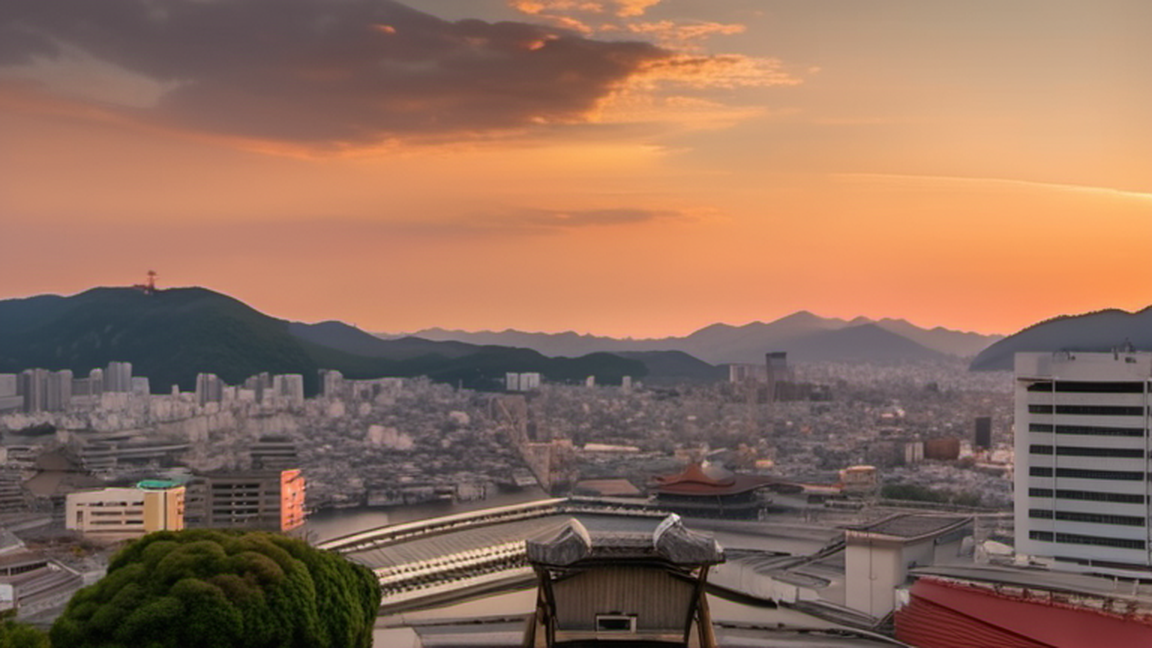
cities
Hiroshima
Overview
Hiroshima (広島市, Hiroshima-shi; English: , also UK: , US: , Japanese: [çiɾoɕima] ) is the capital of Hiroshima Prefecture in Japan. As of June 1, 2019, the city had an estimated population of 1,199,391. The gross domestic product (GDP) in Greater Hiroshima, Hiroshima Urban Employment Area, was US$61.3 billion as of 2010. Kazumi Matsui has been the city's mayor since April 2011. The Hiroshima metropolitan area is the second largest urban area in the Chugoku Region of Japan, following the Okayama metropolitan area.
Hiroshima was founded in 1589 as a castle town on the Ōta River delta. Following the Meiji Restoration in 1868, Hiroshima rapidly transformed into a major urban center and industrial hub. In 1889, Hiroshima officially gained city status. The city was a center of military activities during the imperial era, playing significant roles such as in the First Sino-Japanese War, the Russo-Japanese War, and the two world wars.
Hiroshima was the first military target of a nuclear weapon in history. This occurred on August 6, 1945, in the Pacific theatre of World War II, at 8:15 a.m., when the United States Army Air Forces dropped the atomic bomb "Little Boy" on the city. Most of Hiroshima was destroyed, and by the end of the year between 90,000 and 166,000 had died as a result of the blast and its effects. The Hiroshima Peace Memorial (a UNESCO World Heritage Site) serves as a memorial of the bombing.
Since being rebuilt after the war, Hiroshima has become the largest city in the Chūgoku region of western Honshu.
Wikivoyage guide · 41 sections
▸Introduction347 chars
Hiroshima (広島) is an industrial city of wide boulevards and criss-crossing rivers along the coast of the Seto Inland Sea. Although many only know it for the horrific split-second on August 6, 1945 when it became the site of the world's first atomic bomb attack, it is now a modern cosmopolitan city with excellent cuisine and a bustling nightlife.
▸Understand4,188 chars
Those expecting to step off the Shinkansen into a pile of smoldering rubble will be in for a surprise, as Hiroshima has all the ferroconcrete and blinking neon of any other modern Japanese city. Teenagers stream in and out of the station, where McDonald's and the latest keitai (mobile phones) await; hapless salarymen rush down Aioi-dori to their next meeting, casting a bloodshot eye toward the seedy bars of Nagarekawa as they pass. At first glance, it can be hard to imagine that anything out of the ordinary ever happened here.
Hiroshima was founded in 1589 on the delta formed by the Ota River, flowing out to the Seto Inland Sea. The warlord Mori Terumoto built a castle there, only to lose it eleven years later to Tokugawa Ieyasu after the Battle of Sekigahara, which marked the beginning of the Tokugawa shogunate. Control of the area was given to the Asano clan of samurai, who ruled without much incident for the next two and a half centuries. Their descendants embraced the rapid modernization of the Meiji period, and Hiroshima became the seat of government for the region, a major industrial center, and a busy port.
By World War II, Hiroshima was one of the larger cities in Japan, and a natural communications and supply center for the military. Forced laborers from Korea and China were shipped in by the tens of thousands, and local schoolchildren also spent part of their days working in munitions factories. Residents of the city must have felt curiously blessed for the first few years of the war, as Hiroshima had been left largely untouched by American bombing campaigns; that was, however, intended to ensure a more accurate measurement of the atomic bomb's effect on the candidate cities, which had been narrowed down to Hiroshima, Kokura, Kyoto, Nagasaki, and Niigata.
Facts
Rank
—
Coordinates
—
Source
WBP almanac
External sources
Media
From Wikipedia4,012 words
Introduction
City in Chūgoku, Japan This article is about the city in Japan. For the prefecture where the city is located, see Hiroshima Prefecture. For other uses, see Hiroshima (disambiguation). Prefecture capital and Designated city in Chūgoku, JapanHiroshima 広島市Prefecture capital and Designated cityHiroshima skyline within A-Bomb DomeHiroshima CastleHiroshima Peace Memorial Museum and ParkShukkei-enHondōri (Downtown)Peace Message (Water lantern)Port of Hiroshima FlagSealLocation of Hiroshima in Hiroshima PrefectureHiroshima Show map of JapanHiroshimaHiroshima (Asia)Show map of AsiaHiroshimaHiroshima (Earth)Show map of EarthCoordinates: 34°23′29″N 132°27′07″E / 34.39139°N 132.45194°E / 34.39139; 132.45194Country JapanRegionChūgoku (San'yō)PrefectureHiroshima PrefectureFounded byMōri TerumotoGovernment • MayorKazumi MatsuiArea • Prefecture capital and Designated city906.68 km2 (350.07 sq mi)Population (June 1, 2019) • Prefecture capital and Designated city1,199,391 • Density1,322.8/km2 (3,426.1/sq mi) • Metro (2015)1,431,634 (10th)Time zoneUTC+9 (Japan Standard Time)TreeCamphor laurelFlowerOleanderPhone number082-245-2111Address1-6-34 Kokutaiji,Naka-ku, Hiroshima-shi 730-8586Websitewww.city.hiroshima.lg.jp Hiroshima"Hiroshima" in shinjitai kanjiJapanese nameKyūjitai廣島Shinjitai広島TranscriptionsRomanizationHiroshima Hiroshima Urban Employment Area Hiroshima (広島市, Hiroshima-shi; English: /ˌhɪroʊˈʃiːmə/, also UK: /hɪˈrɒʃɪmə/, US: /hɪˈroʊʃɪmə/, Japanese: [çiɾoɕima] ⓘ) is the capital of Hiroshima Prefecture in Japan. As of June 1, 2019[update], the city had an estimated population of 1,199,391. The gross domestic product (GDP) in Greater Hiroshima, Hiroshima Urban Employment Area, was US$61.3 billion as of 2010. Kazumi Matsui has been the city's mayor since April 2011. The Hiroshima metropolitan area is the second largest urban area in the Chugoku Region of Japan, following the Okayama metropolitan area. Hiroshima was founded in 1589 as a castle town on the Ōta River delta. Following the Meiji Restoration in 1868, Hiroshima rapidly transformed into a major urban center and industrial hub. In 1889, Hiroshima officially gained city status. The city was a center of military activities during the imperial era, playing significant roles such as in the First Sino-Japanese War, the Russo-Japanese War, and the two world wars. Hiroshima was the first military target of a nuclear weapon in history. This occurred on August 6, 1945, in the Pacific theatre of World War II, at 8:15 a.m., when the United States Army Air Forces dropped the atomic bomb "Little Boy" on the city. Most of Hiroshima was destroyed, and by the end of the year between 90,000 and 166,000 had died as a result of the blast and its effects. The Hiroshima Peace Memorial (a UNESCO World Heritage Site) serves as a memorial of the bombing. Since being rebuilt after the war, Hiroshima has become the largest city in the Chūgoku region of western Honshu.